




COMPREHENSIVE CAPABILITIES

COMPREHENSIVE CAPABILITIES

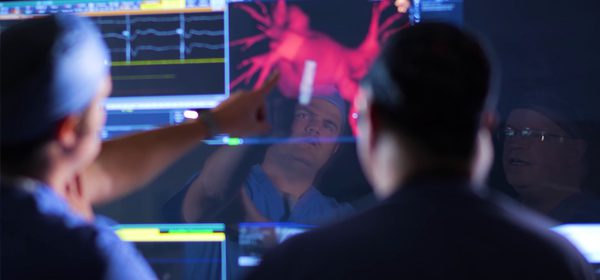
Here at the Heart and Vascular Institute of Eastern Kentucky, we have assembled a team of cardiac specialists who bring a broad range of expertise to our program. We have coupled that with cutting-edge technology and have provided our team with the best equipment and operating rooms available. The combined result is comprehensive heart care for the people of our region that is second to none.

Heart & Vascular Institute of Eastern Kentucky
911 Bypass Road, Building A, First Floor
Pikeville, KY 41501
606-430-2201

  • Aneurysm Repair – Repairs an enlarged and weakened section of the artery. This is done through a small incision in the femoral artery (located in a large muscle in the thigh and groin area).
  • Angioplasty – Widens a narrowed or obstructed blood vessel and may require using a patch of the artery. This can be accomplished through surgery, or a balloon and stent procedure.
  • Ankle-Brachial Index (ABI) – A measurement used to evaluate one’s circulation in the legs and arms. Stress Testing – A physical or chemical test used to check for significant blockages in arteries.
  • Atrial Fibrillation – Occurs when the heart’s two small upper chambers beat irregularly.
  • Atrial Fibrillation Management – Treatment of the most common cardiac arrhythmia.
  • Automatic Implantable Cardioverter Defibrillator (AICD) – Regulates the rhythm of the heart to a normal pattern. This may be done by pacing the heart, or by delivering a small shock to the heart muscle. This device is like a pacemaker, with wires in the vein leading to the heart to increase function.
  • Biventricular Defibrillators & Pacemakers – Electrical devices, surgically implanted under the skin, with wires leading to the heart. These devices regulate the heart’s rhythm by sending pulses into both pumping chambers (ventricles), and helps when the heart muscle is weak.
  • Cardiac Ablation – A non-invasive cardiac procedure that disrupts abnormal rhythms in the heart and restores a normal heartbeat.
  • Cardiac Arrhythmia Evaluation – A number of studies and tests, including Electrophysiology Studies, that are used as tools to diagnose heart rhythm disturbances.
  • Cardiac Computed Tomography Angiography – Uses a CT scanner to look at the structure of the heart’s blood vessels.
  • Cardiac Electrophysiology – The study of the electrical system of the heart.
  • Carotid Ultrasound – A painless test used to determine the amount of plaque built up in the carotid arteries, located on each side of the neck. This aids in the detection of Carotid Artery Disease.
  • Coronary Stents & Angioplasty – A procedure used to open clogged arteries, improve symptoms of blocked arteries and prevent damage to the heart during a heart attack.
  • Cryoablation Therapy – Treats patients with Paroxysmal Atrial Fibrillation.
  • Defibrillator Implantation – The installation of a device that detects arrhythmias and delivers electrical therapy as necessary.
  • Diagnostic Arteriography – Allows doctors to view arteries in nearly every part of the body.
  • Diagnostic Cardiac Catherization – An invasive imaging test that determines how well the heart is working.
  • Echocardiography – Uses an echocardiogram to take a sonogram (picture) of the heart. This procedure can create 2-D, 3-D, or 4-D real-time images.
    • Transthoracic – Known as the “standard echo,” this echocardiogram is very simple and painless to perform
    • Transesophageal – Conducted by placing a probe in the patient’s esophagus
    • Stress – Combines the simple transthoracic echocardiogram with an exercise, or chemical stress test to show what the heart looks like when it is working harder
  • Endovascular Aneurysm Repair – Consists of a stent graft being placed in an enlarged, aneurysm-affected blood vessel.
  • Event Monitoring – A portable, heart-monitoring device that patients may plug into a telephone line to transmit data back and forth to the reviewing cardiologist.
  • Fainting Disorder Treatments – Treatment for a number of cardiac issues that cause fainting.
  • Follow-up for Pacemaker and Defibrillator Implantation – The monitoring and adjustment of pacemakers or ICDs after they have been installed. This includes remote (from home) testing.
  • Heart Failure Pacemakers and ICDs – The use of specialized devices to treat patients with congestive heart failure.
  • Heart Valve Surgery – Repairs or replaces the heart’s valves.
  • Holter Monitoring – Monitors the electrical activity of the heart with portable units worn for more than 24 hours.
  • Impedance Cardiography – Uses electrical signals to determine the blood flow properties through the aorta.
  • Implantable Cardiovascular Defibrillator (ICD) Check – Checking ICDs to insure they are working properly. ICDs aid in the correction of life-threatening heart rhythm problems; can also work as a pacemaker.
  • Lung Cancer Surgery (Thoracotomy) – Used to remove all or part of the lung affected by cancer.
  • Minimally Invasive Cardiac Surgeries, including:
    • Minimally invasive transcatheter aortic valve replacement (TAVR) 
    • Minimally invasive single coronary bypass surgery
    • Minimally invasive mitral valve repair
    • Minimally invasive aortic valve replacement
    • Minimally invasive & hybrid coronary artery bypass graft procedures
    • Minimally invasive maze procedures for abnormal heart rhythms
  • Pacemaker – Regulates a patient’s heartbeat with small electrical pulses.
    • Micra Leadless Pacemaker (learn more)
  • Pacemaker Implantation – The installation of a device that regulates the heart’s rate and rhythm.
  • Peripheral Artery Disease – Refers to the development of blocked arteries outside the heart. This can be detected by conducting a simple screening known as an Ankle-Brachial Index (ABI) Test.
  • Peripheral Artery Disease (PAD) – Blockage of the arteries leading to the leg, causing pain and poor circulation. This is considered the most common form of Peripheral Vascular Disease (PVD).
  • Peripheral Bypass Grafting – Treats Peripheral Vascular Disease (PVD) by creating a bypass around a section of a blocked artery.
  • Radio Frequency Catheter Ablation for Arrhythmia – A treatment used to destroy tissues that cause arrhythmias.
  • Renal Dialysis Access Ports – Conducted by installing ports into the arms or legs, allowing blood to be sent from a dialyzer to the body; leads to a quicker and more efficient dialysis.
  • Stage 2 Cardiac Rehab – An outpatient, monitored, supervised exercise program for patients.
  • Stage 3 Cardiac Rehab – An unmonitored, mildly supervised exercise program for patients who want to continue rehabilitation, after stage 2 rehab, with minimal support.
  • Stress Testing – A physical or chemical test used to check for significant blockages in arteries.
  1. General Stress Testing – Performed by using either medication or physical exercise to check the heart’s function
  2. Nuclear Cardiac Stress Testing – Requires an injection of radioactive medication into the bloodstream only seen by special equipment. This allows physicians to monitor and study the heart’s blood flow
  • Stent – A permanent device used to hold the artery open, improve blood flow to the heart muscle and relieve chest pain symptoms.
  • Surgical Approach to Esophageal Disease – Surgery performed to narrow the esophagus or treat esophageal cancer. This is accomplished through an incision in the abdomen and chest.
  • TactiCath™ Contact Force Ablation Catheter, Sensor Enabled™ – accurately and effectively treats  cardiac arrhythmias, including atrial fibrillation, supraventricular tachycardia, and ventricular tachycardia. 
  • Tilt Table Testing – A testing to evaluate fainting and dizzy spells.
  • Video-Assisted Thoracoscopy – A minimally invasive surgical technique used to diagnose and treat problems in the chest. This is performed by making a small incision in the chest and inserting a small camera called a “thorascope.”

Sign and Symptoms of Heart Attack

Don’t wait to get help if you experience any of these heart attack warning signs. Although some heart attacks are sudden and intense, most start slowly, with mild pain or discomfort. Pay attention to your body — and call 9-1-1 if you feel:

  • Chest discomfort – Most heart attacks involve discomfort in the center of the chest that lasts more than a few minutes, or that goes away and comes back. It can feel like uncomfortable pressure, squeezing, fullness or pain.
  • Discomfort in other areas of the upper body – Symptoms can include pain or discomfort in one or both arms, the back, neck, jaw or stomach.
  • Shortness of breath – with or without chest discomfort.
  • Other signs – may include breaking out in a cold sweat, nausea or lightheadedness.


Symptoms Vary Between Men and Women

As with men, women’s most common heart attack symptom is chest pain or discomfort. But women are somewhat more likely than men to experience some of the other common symptoms, particularly shortness of breath, nausea/vomiting, and back or jaw pain.

Heart Attack Signs in Women

  1. Uncomfortable pressure, squeezing, fullness or pain in the center of your chest. It lasts more than a few minutes, or goes away and comes back.
  2. Pain or discomfort in one or both arms, the back, neck, jaw or stomach.
  3. Shortness of breath with or without chest discomfort.
  4. Other signs such as breaking out in a cold sweat, nausea or lightheadedness.
  5. As with men, women’s most common heart attack symptom is chest painor But women are somewhat more likely than men to experience some of the other common symptoms, particularly shortness of breath, nausea/vomiting and back or jaw pain.


Act Fast

Learn the signs, but remember this: Even if you’re not sure it’s a heart attack, have it checked out. Minutes matter! Fast action can save lives — maybe your own. Don’t wait – call 911 or your emergency response number.

Call 9-1-1

Calling 9-1-1 is almost always the fastest way to get lifesaving treatment. Emergency medical services (EMS) staff can begin treatment when they arrive — up to an hour sooner than if someone gets to the hospital by car. EMS staff are also trained to revive someone whose heart has stopped. Patients with chest pain who arrive by ambulance usually receive faster treatment at the hospital, too. It is best to call EMS for rapid transport to the emergency room.

If you have any of these signs, call 9-1-1 and get to a hospital right away.

Source: American Heart Association

Shop for foods that do not have a lot of added ingredients, such as salt, fats, or sugar. Learn your goals for fat, calories, and sodium. Then use food labels to help you make choices that keep you on target. For example:

  • If you are on an eating plan that limits sodium, choose foods with less than 300 mg of sodium per serving.
  • Choose foods with very little or no saturated fat or trans fat.


Remember: Not everything that is advertised or labeled as healthy is really good for you!

Fruits and Vegetables

Start with fresh fruits and vegetables. These do not have added fats, sugar, or sodium.

When you buy frozen or canned produce, read labels:

  • Look for types that do not have anything added to the fruits or vegetables, such as sauces, gravies, or seasonings.
  • Canned vegetables may be high in sodium. However, you can enjoy many lower-sodium or salt-free varieties.


Breads, Cereals, and Grains

Choose breads and cereals that are made from whole grains and high in fiber:

  • Look for products with whole grains (such as whole wheat, rye, or oats) as the first ingredient.
  • Breads with at least 2 grams (g) of fiber per serving are good choices.
  • Select cereals that contain at least 5g fiber per serving.
  • Limit cereals that list added sugars on the label.
  • Check the label for the amount of sodium if you are on a reduced-sodium plan.


Milk and Dairy

When choosing milk or dairy products, pick nonfat or low-fat types:

  • Choose nonfat (skim), ½%-fat, or 1%-fat milk.
  • Look for tasty cheeses that are low in saturated fat and sodium. Choose them more often than regular cheese.


Meats and Other Protein Foods

You can get protein from poultry, fish, beef, pork, dried beans, soy products, and other vegetable proteins.

  • When choosing chicken or other poultry, look for breast or white meat without the skin
  • When choosing beef and veal, pick cuts without much marbling (fat). Healthy types include round steak, tenderloin, and sirloin tips.
  • Lean center cuts are the best cuts of pork and lamb.
  • You can buy any type of fresh fish that you enjoy. Do not always choose the same kind because some types may contain mercury or other contaminants that you don’t want to eat in large amounts.
  • Canned fish (such as tuna) can be high in sodium. Choose low-sodium brands.
  • Add vegetarian entrees and vegetable protein foods, like beans, veggie burgers, or tofu. Look for products that are low in saturated fat and sodium and high in fiber.


Other Foods

  • Convenience foods, such as canned soups, pasta sauces, and prepackaged or frozen dinner entrees and side dishes can be high in sodium and/or fat. Read labels and choose carefully.
  • There are many snack foods that you can enjoy:
    • Nuts, seeds, and pretzels make good snacks. Avoid those with added salt.
    • Keep your sodium and saturated fat limits in mind while you shop.
    • Look for snacks that are free of trans fat. If the ingredients include hydrogenated oil, then the food has trans fat
  • It’s okay to have desserts once in a while if you choose wisely:
    • Fresh fruit and nonfat or low-fat frozen yogurt are good choices.
    • There are many kinds of reduced-fat and fat-free candies, cakes, cookies, pastries, and frozen desserts. They may fit within your limits for fat and sodium. However, many fat-free or low-fat desserts are high in calories and low in healthy nutrients. Have them only occasionally.

Early Heart Attack Care

For patients who are diagnosed with some form of heart disease or who have undergone heart surgery, PMC’s Cardiac Rehabilitation program offers lifestyle monitoring and fitness programs to help restore the patient’s heart to maximum efficiency. Cardiac rehab programs are designed to help heart patients incorporate changes into their daily routines such as exercising, taking medications and eating a heart healthy diet. PMC’s Stage II & Stage III Cardiac Rehab gives patients, who have suffered from heart disease, the tools they need to return to an active lifestyle.

What are the Benefits of Attending Cardiac Rehab?

  • Reduce the risk of another heart attack or death
  • Alleviate or lessen activity related symptoms
  • Limit or reverse the progression of atherosclerosis (hardening of the arteries)
  • Reduce blood pressure
  • Receive close nurse supervision
  • Positive motivation through support groups
  • Smoking cessation counseling
  • Decrease body weight and fat stores
  • Improve physical fitness
  • Modify lipid (cholesterol) levels
  • Improve vessel function
  • Psychological, vocational or occupational counseling
  • Nutritional counseling
  • Stress management

Success in Cardiac Rehab is based on the level of patient participation. People who attend regularly and actively participate have a better quality of life and a better long term outcome. The heart is a muscle, and like all muscles in the body, it must be exercised to keep it in shape.

606-430-8771

Valve Clinic

With state-of-the-art cardiology cath labs, the hospital is now offering new valve procedures. The clinic is the first of its kind in the region, delivering quality heart care to patients with complex valve disorders.

In previous years, patients had to go to several different physicians and ultimately could face transferring to a facility out of town for care. With the valve clinic, patients can stay at home, see all the physicians necessary and receive advanced heart care at PMC all under one roof. The clinic is a much more convenient way to receive the care patients need without multiple doctors’ visits and the expense of traveling hours away for care.

PMC Director of the Cath Lab, Director of the Valve Clinic said, “The interventional cardiology and cardiothoracic surgeons are utilizing percutaneous approaches or minimally invasive approaches for valve replacements. Through this evolution, two major valve surgeries are becoming more routine in selected patients. We are now providing these services here for our patients.”

He says the PMC Valve Clinic provides a multidisciplinary approach to diagnosing and treating heart valve disease. Both self-referral and physician referral patients are accepted at the valve clinic.

He continued, “There are two major goals we have for the valve clinic. We want to enroll all patients who now have, or will need valve replacement. We are reaching out to the physicians in surrounding areas where we provide services, so patients can easily call one number and get enrolled.”

The PMC team of board certified physicians including an interventional cardiologist, general cardiologists, cardiothoracic surgeons and radiologists work together offering treatments for mitral valve, aortic valve replacement (TAVR) and watchman devices. Initially patients are enrolled and then follow-up is done in the clinic.

The interventional cardiologist and a general cardiologist will be responsible for the imaging, echocardiograms and CT scans of the aorta and the heart to make sure the patient is a candidate for treatment. The cardiothoracic surgeons will also be available at that same time. Every patient must go through testing to make sure they qualify.

PMC Cardiothoracic Surgeons, John Deel, MD, M. Paul Randhawa, Jr. , MD or Dermot P. Halpin, MD will be available for the procedures. If the patient does not qualify, they could then have a minimally invasive valve replacement procedure. The specialists who are needed to provide these procedures are all under one roof, working together to bring the best results possible.

PMC has a special coordinator whose sole purpose is to communicate with the patient, their family physician and the cardiologist, keeping everyone informed and up-to-date.

For additional information about the new PMC Valve Clinic or to make an appointment call 606-430-2201.


Minimally Invasive Heart Surgery

At Pikeville Medical Center, the future of heart surgery is no longer tomorrow. It’s today. Minimally-invasive options make procedures safer and less invasive. Trust our cardiac team to the care of your heart. Together. We are Saving Lives.

Learn More About Minimally Invasive Surgery >

Heart Cath Lab

Pikeville Medical Center’s Cardiac Cath Lab has been nationally recognized in Cath Lab Digest.

Irregular Heartbeat? If you are experiencing irregular heart rhythms, particularly if those symptoms are combined with fatigue, dizziness and shortness of breath, Pikeville Medical Center’s Electrophysiologists specialize in diagnosing and treating the full breadth of conditions that involve the heart’s electrical system. Learn More About Electrophysiology

The Watchman

WATCHMAN is a permanent implant that offers an alternative to the lifelong use of blood thinners. It’s about the size of a quarter and made from very light and compact materials. If you have a history of bleeding or a lifestyle, occupation or condition that puts you at risk for bleeding, ask your doctor about the WATCHMAN Implant.

Learn More About the WATCHMAN

Experience. Knowledge. These are just a few of the critical factors that make the Heart & Vascular Institute at Pikeville Medical Center nationally recognized.

PMC Cardiothoracic Surgeon, M. Paul Randhawa, Jr., MD, FACS discusses some
of the challenges of treating heart surgery patients in our region.

Recent News

PHP Code Snippets Powered By : XYZScripts.com